How Much a Trader Can Earn in a Day?

A trader’s daily earnings can vary greatly, depending on their experience, strategy, and market conditions. It is difficult to provide …
A trader’s daily earnings can vary greatly, depending on their experience, strategy, and market conditions. It is difficult to provide …

Both crypto and forex have their own risks and benefits, but for beginners, forex may be a better option due …
10% a day forex refers to a trading strategy in the foreign exchange market where traders aim to make a …

Yes, some people have gotten rich with forex trading. However, it is important to note that forex trading involves high …

It is possible to make 1k a day in forex trading, but it requires a lot of knowledge, experience, and …

A beginner in forex should understand the basics of currency pairs, exchange rates, and how to read charts. It’s important …
On average, it is difficult to determine how much money an individual can make in forex as it depends on …
Forex trading is difficult due to its high volatility, complexity, and unpredictability. It requires a deep understanding of global economics, …
Yes, forex trading profits are taxable in most countries. It’s important to consult with a tax professional or do thorough …

Theoretically, yes, it is possible to make billions from forex trading, but it requires exceptional skills, knowledge, experience, and a …
Forex trading taxes vary depending on your country and jurisdiction, so it’s best to consult a tax professional or accountant …
Both forex and Bitcoin have their advantages and disadvantages. Forex is a more established market with greater liquidity, while Bitcoin …
A $100 lot size in forex refers to a trade volume of 0.01 lots, which is equivalent to 1,000 units …

Yes, it is possible to make 100k a year day trading, but it requires extensive knowledge, experience, discipline and risk …
No, it is highly unlikely to make $10,000 a day with forex trading. Forex trading involves high risk and requires …
It depends on your personal preferences and investment goals. Forex trading offers high liquidity and the ability to trade 24/7, …
Forex trading is not just gambling, as it involves analyzing market trends and making informed decisions based on that analysis. …
A lot size of 0.01 is generally recommended for a $50 forex account. As a forex trader, I remember the …
For beginners, it is recommended to start with a smaller lot size to minimize risk and gain experience in trading. …
No, it is not easy to make $100 a day through day trading. It was a hot summer day in …
Yes, it is possible to make $200 per day in day trading, but it requires a lot of knowledge, experience, …
The time it takes to learn forex trading varies based on individual learning abilities and dedication. Some traders may take …
The number of lots you can trade with $100 depends on the leverage offered by your broker and the size …
Making money with forex can happen quickly or take some time, depending on market conditions and the trader’s skill level. …
The number 1 rule of forex is to always manage your risk. As a blogger, I have always been fascinated …
Forex trading involves buying and selling currencies in the global market. Traders speculate on the value of one currency against …
To start forex trading, you need to do the following: As a young girl, I was always fascinated by the …
One lot in forex typically represents 100,000 units of the base currency in a currency pair and can vary in …
Day trading with $1000 can yield varying results depending on the trader’s skill level and market conditions. It is important …
Yes, $500 is enough to trade forex, but it depends on your trading strategy and risk management. It’s important to …

Yes, it is possible to make $300 a day from forex trading, but it requires skill, experience, discipline and a …
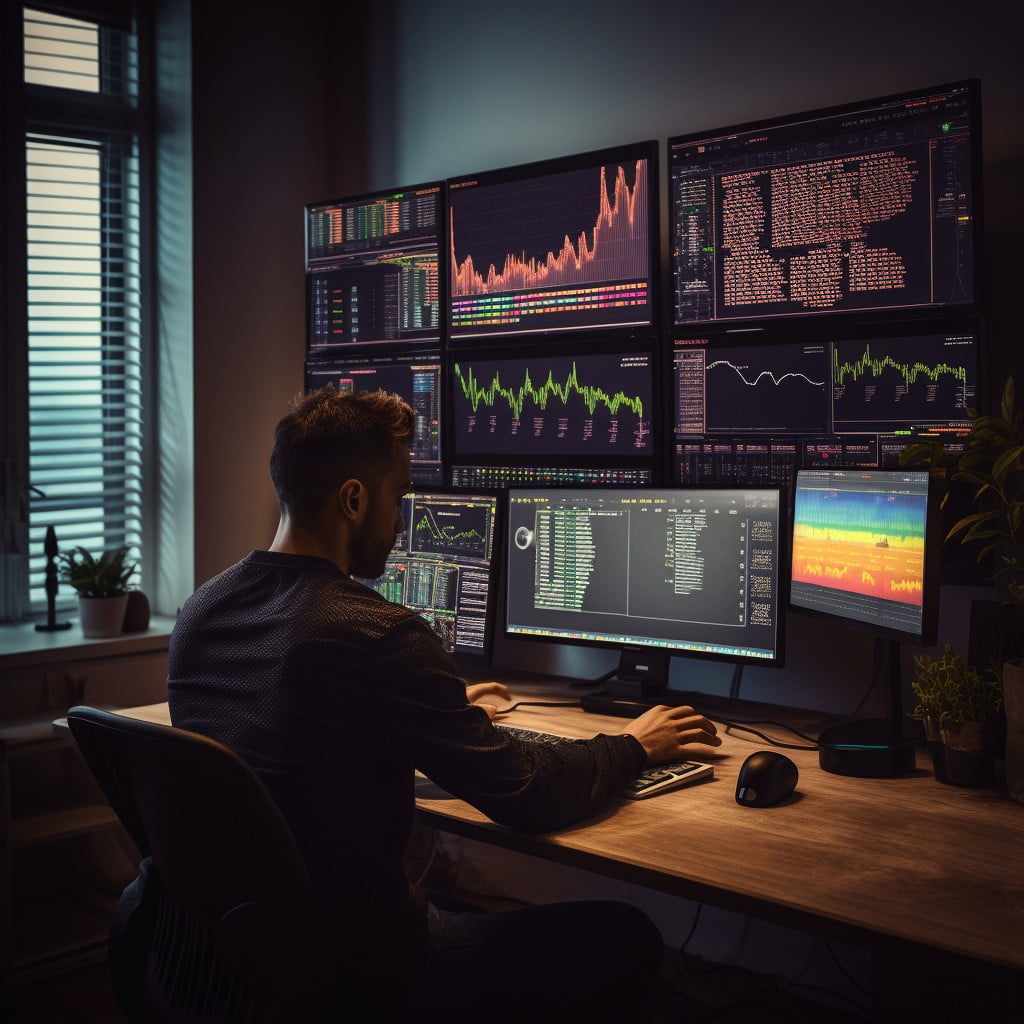
Forex pays you by allowing you to profit from the fluctuation of currency exchange rates. When you buy a currency …

Forex trading can be challenging for beginners due to its complexity and volatile nature. However, with proper education and practice, …

Forex trading can be a lucrative career, but how much money do traders really make in a month? As a …
Yes, it is possible to earn a living trading forex if you have the necessary knowledge, skills, and discipline. However, …

A beginner forex trader can make anywhere from a few hundred to a few thousand dollars per month, depending on …
As a beginner in forex, it is advisable to start with a small investment amount that you can afford to …
Yes, $2000 is generally considered enough to start trading forex, but it’s important to remember that success in forex trading …

Forex traders make a profit by buying and selling currencies at different exchange rates, with the goal of buying low …

The richest forex traders are typically the world’s top hedge fund managers. They have tools us mere day traders don’t. …

No, it is not realistic to expect to make $10,000 a day with forex trading. While there are successful traders …

Yes, a forex trader can become a millionaire through successful trading strategies and wise risk management. However, it requires discipline, …

The amount you can make with 100k in forex trading depends on various factors such as your trading strategy, risk …

The 90% rule in forex refers to the common belief that 90% of traders lose money, while only 10% are …

It’s difficult to predict how much you can make with $100 in forex daily as it depends on various factors …

Making money fast in forex is not a guaranteed outcome. It requires knowledge, experience, and risk management skills. However, some …
Yes, it is possible to make $50 a day with forex trading, but it requires knowledge, experience, and discipline. Forex …

Forex trading can be a good idea if you have the knowledge and skills to navigate the market. However, it …
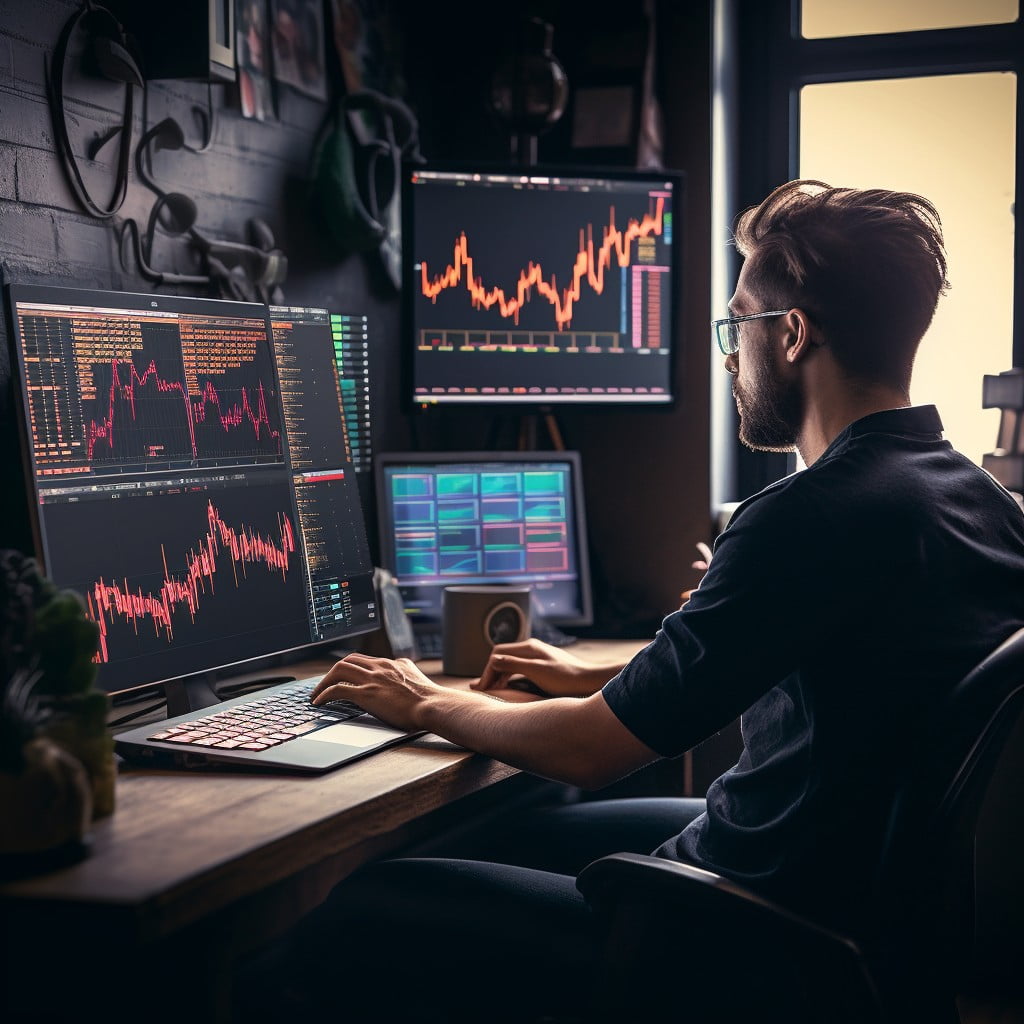
Yes, you can trade forex with $100. However, it’s important to manage your risk and choose a reputable broker with …
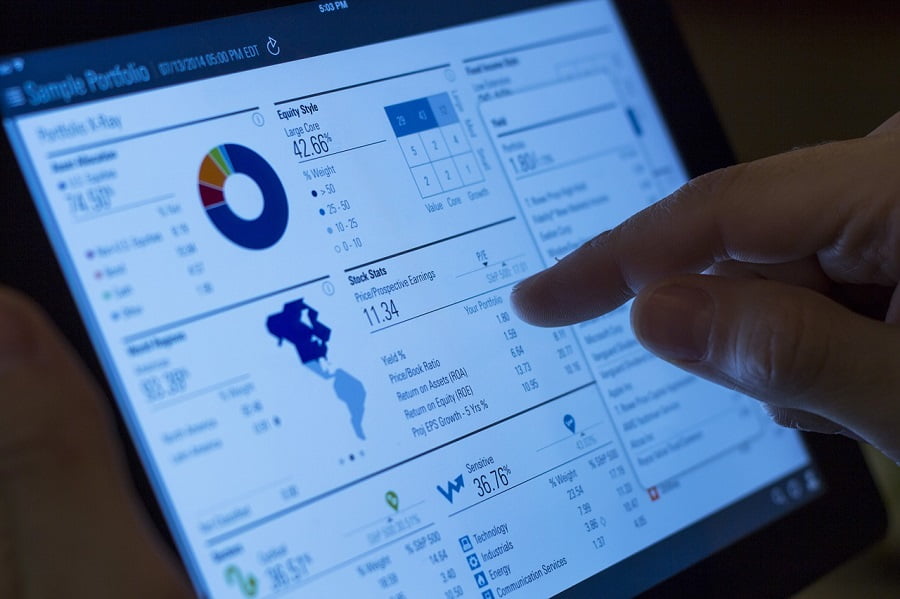
If you’re looking for a new investment opportunity, the chances are that you have at least thought about investing online. …
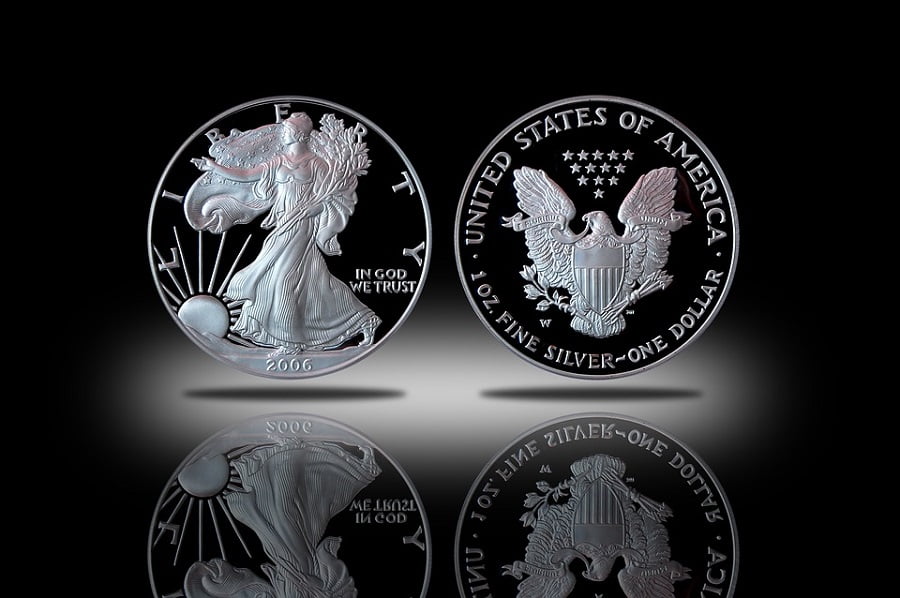
Are Silver Eagles a good investment? Is it worth stacking-up on them? Let’s find out right now! First, let’s look …
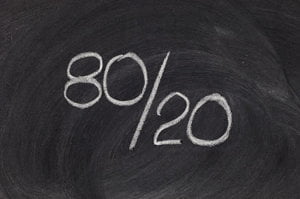
Since time immemorial, the golden rule when it comes to working, effort and out-put has always been assumed to be …
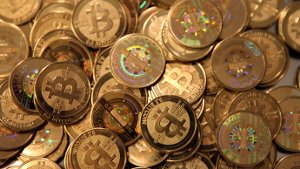
Currently, clients in China who are trading in Bitcoin have a bigger advantage. This is because the BTC China has …

Finding the right broker is one of the most crucial steps in the investment process. Sometimes, however, even due diligence …
Bitcoin is, of course, a digital currency and peer-to-peer payment system that was introduced in 2009 as open source software. …
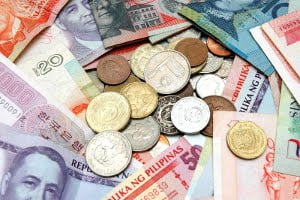
If you are interested in investing in emerging currencies, maybe this will help you. Most traders of Forex usually go …